
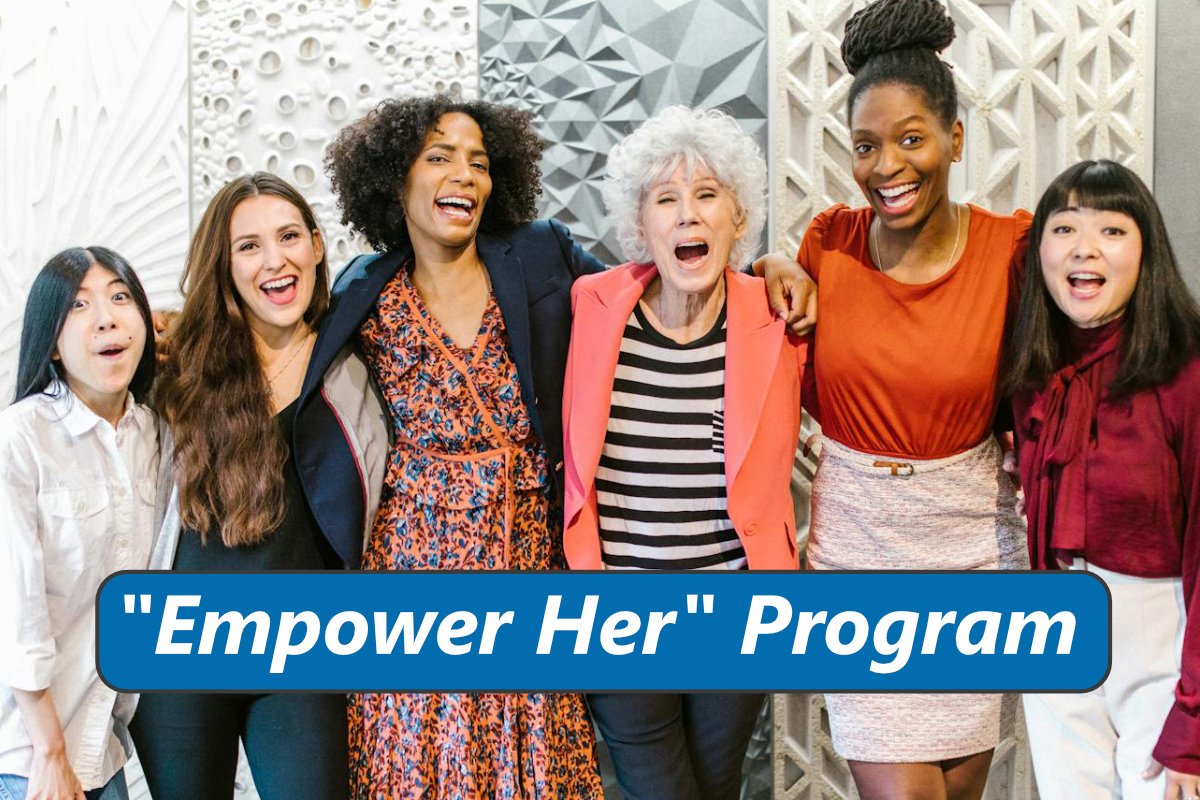
Introducing the “Empower Her” Program: SUD Recovery Support for Women
Substance use disorder, or SUD, is a chronic behavioral health condition that can affect any person, regardless of age, gender, or life circumstances. This debilitating disorder often disrupts physical health, emotional well-being, relationships, employment, and a person’s sense of hope for the future.
Although SUD does not discriminate by gender, women living with this condition may face challenges that are not always addressed in traditional outpatient treatment. Women often enter treatment with more complex psychological, social, and service needs than men, with common barriers including childcare responsibilities, co-occurring mental health challenges, lack of transportation, financial strain, and fear related to child protective services.
For women who have children or other dependents, these pressures can become a major obstacle to getting better. Recovery may require therapy, a safe peer community, and help with everyday obstacles such as transportation, employment, and child care. When those supports are spread across multiple providers or organizations, starting treatment can feel overwhelming.
Our “Empower Her” program is designed to address these difficulties for women seeking treatment for SUD. By providing women with comprehensive recovery support through one access point and one consistent team, we can greatly improve their chances of a full and successful recovery.
Keep reading to learn how Empower Her works and whether you might be a good fit for these specialized services. This post also includes insights from two Cummins team members who serve women in the program every day: Rachel Potenza, a therapist, and Candace Jones, a Family Resiliency Specialist.

How the Empower Her Program Works
The Empower Her program combines two distinct components for one holistic approach to treatment.
The first component is group outpatient therapy, which may be referred to as simply “group”. Group therapy helps participants understand substance use disorder, identify problematic behavior patterns, and practice skills that support long-term recovery. Just as importantly, it gives women the chance to build supportive relationships with other women who understand what they are going through.
The group utilizes the Helping Women Recover program, which is an evidence-based curriculum created specifically for women with substance use disorders. This curriculum is organized around four areas that women in treatment often identify as central to recovery and relapse prevention: self, relationships, sexuality, and spirituality. It also addresses topics such as self-esteem, family of origin, domestic violence, trauma, and healthy relationships.
As one participant shared about the group: “It’s made me more confident, open-minded, less judgmental toward myself and others. I’ve opened more, and it’s nice knowing there are other women who have had similar experiences.”
The second part of Empower Her is wraparound services for women in treatment and their dependents. Wraparound services aim to provide practical assistance for life challenges that are not addressed in therapy. This is important because recovery is not only about what happens in a therapy room; it is also about whether a person can get to appointments, find safe support, manage responsibilities at home, navigate community systems, and build a stable daily life.
Cummins care providers work alongside consumers to create strengths-based plans built around each family’s goals, needs, and values. Depending on the individual situation, this may include:
- Finding transportation
- Exploring employment options
- Locating child care resources
- Coordinating with DCS, probation, work release, domestic violence shelters, or other community supports
- Identifying natural supports such as family and friends.
Rachel Potenza and Candace Jones emphasize that this support is highly individualized. For one woman, the biggest barrier may be unresolved trauma. For another, it may be finding work with a felony history related to substance use. For someone else, it may be safe housing, budgeting, or reliable transportation.
No matter what specific challenges an individual is facing in recovery, Empower Her is designed to meet all her needs, through one access point, with one specialized care team.

SUD Treatment Specifically for Women
Another unique feature of Empower Her is that the therapy group is only for individuals who identify as women.
Clinical research shows that women who suffer from SUD tend to have better treatment outcomes when participating in women-only programs that include female-specific content. There are a number of reasons why this is the case. As Rachel and Candace point out, many women who fit this population have past experiences of trauma, domestic violence, or unsafe relationships involving men. For some, that history can make it difficult to speak honestly in a mixed-gender group. Similarly, a women-only space can create a stronger sense of connection among participants who recognize themselves in one another’s stories.
This does not mean men have no place in a woman’s recovery. The women-only format of Empower Her is not intended to exclude men from participants’ lives, nor does it prevent women from taking part in other mixed-gender groups or supports if they are comfortable doing so. It is simply meant to create conditions that are most likely to help the greatest number of women speak freely, feel understood, and make progress in their recovery.
Empower Her was developed specifically for women who are living with substance use challenges and who also care for children or other dependents. The wraparound services included in the program are paid for through grant funding, and as such, eligibility requirements may apply for consumers who are entering the program. Women who qualify under the grant may be able to receive that additional individualized support, while women who do not qualify for grant-funded wraparound may still participate in the women’s recovery group.
Some consumers may come into the program through referral sources like DCS, probation, or work release, while others might choose to seek help on their own. Cummins allows adults age 18 and older to self-refer for treatment, and we provide services regardless of gender identity. The best way to understand what applies in your situation is to ask! Our team can help you explore eligibility and next steps.