
Bringing Together Community Health: 2026 Behavioral Health Training Institute
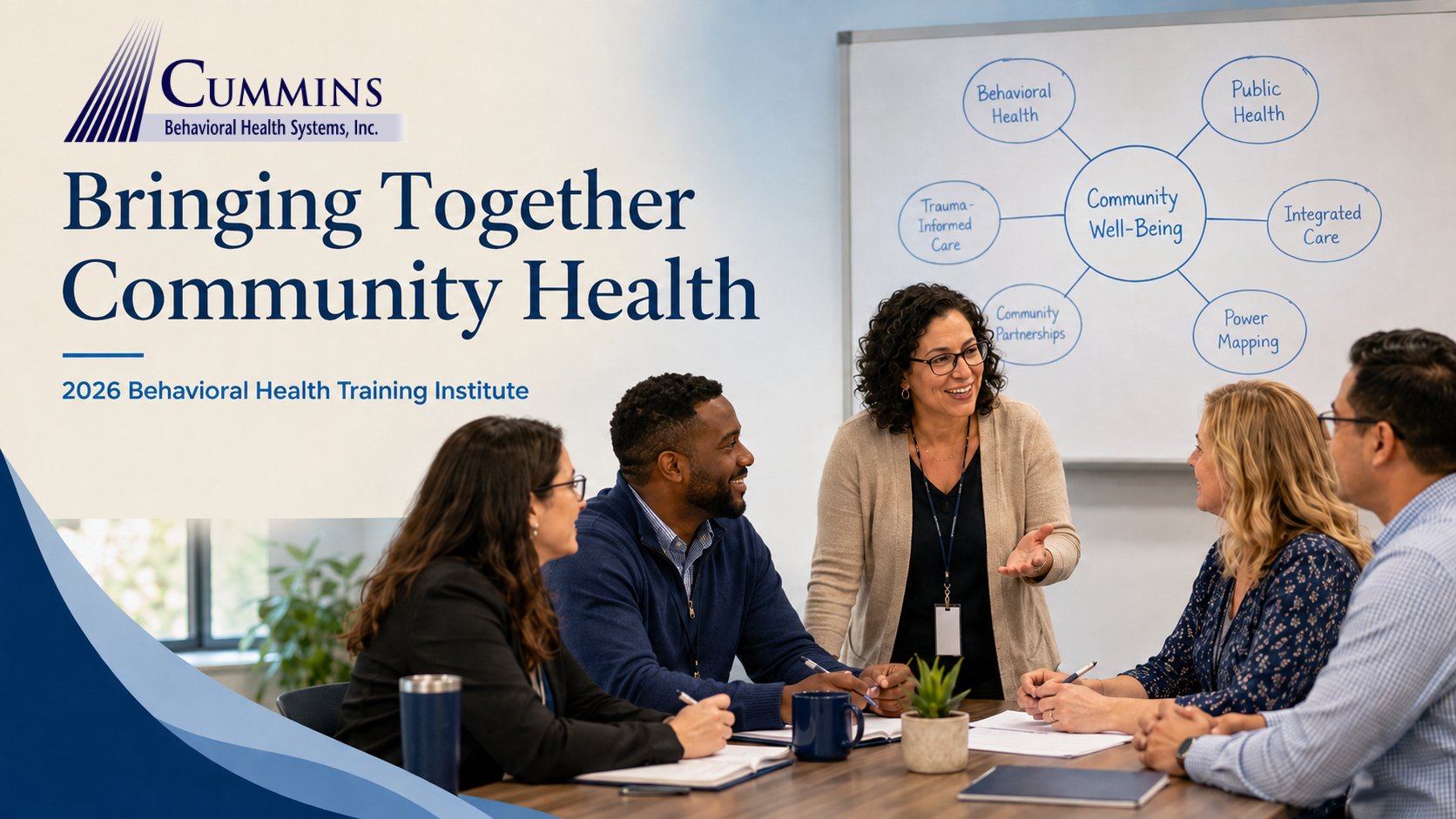
The goal of any community health organization (also called public health organizations) is to advocate for the wellbeing of the people living in the community.
It’s common for different organizations to focus their efforts on different facets of wellbeing. For example, some organizations might promote physical health and disease prevention, others might support mental and emotional health, and still others might help with basic needs like food and housing.
Each of these organizations can be of great help to community members on their own. However, their positive effects are amplified when they can work together effectively to provide layers of support for individuals in need.
Earlier this year, Cummins Behavioral Health joined with the Hendricks County Health Department (HCHD) to attend the 2026 Behavioral Health Training Institute (BHTI), a program of the National Council for Mental Wellbeing and Centers for Disease Control and Prevention. Cummins and HCHD each selected one representative to receive multiple virtual and in-person trainings over a 7-month period, with a focus on trauma-informed, resilience-oriented care and the systems, challenges, and opportunities facing public health and behavioral health across the country.
Ultimately, the program allowed our two organizations to better understand how we can work together to support the wellbeing of Hendricks County residents. Keep reading for highlights from the 2026 Behavioral Health Training Institute.
February Training: Integrated Care
On February 26th, Dawn Pruitt from Cummins Behavioral Health and Krista Click from the Hendricks County Health Department attended a webinar training on integrated care presented by Dr. Jeff Capobianco, Senior Consultant at the National Council for Mental Wellbeing.
This training explained how outcomes are better for health care patients when primary medical care providers and behavioral health care providers work together closely. Several models for delivering integrated care were discussed, such as the Certified Community Behavioral Health Clinic model and SAMHSA’s Framework for Integration.
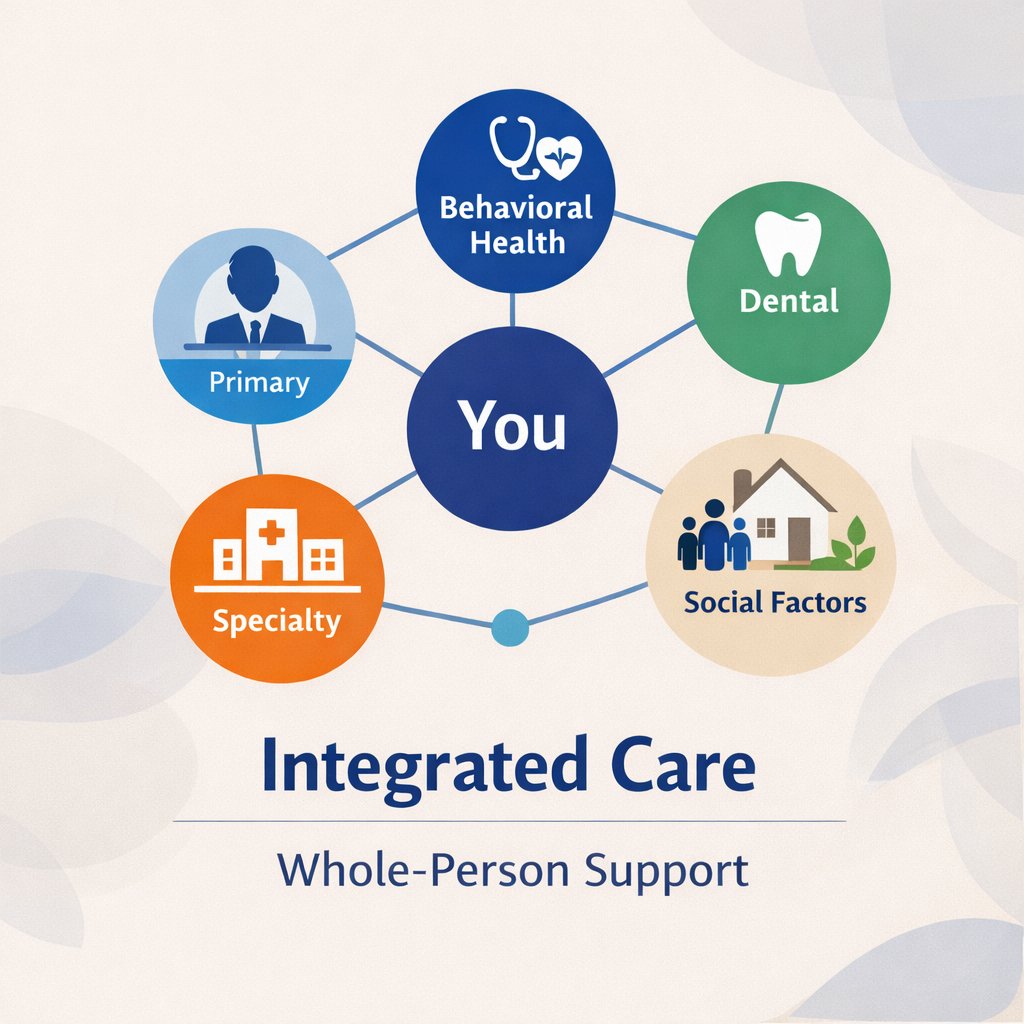
One highlight was on the National Council's new Comprehensive Healthcare Integration (CHI) framework. This model integrates not only primary care and behavioral health care, but also dental care, specialty care, and social determinants of health to provide a truly multi-disciplinary system of care for patients. Special emphasis was put on shared records and in-depth provider interaction across different organizations, as these factors lead to the best measured outcomes for patients.
March Training: Trauma-Informed, Resilience-Oriented Care
On March 25th, Dawn and Krista attended a second webinar training on the topic of trauma-informed, resilience-oriented care (TIROC). This training was given by Amelia Roeschlein, DSW, MA, LMFT, Senior Consultant at the National Council for Mental Wellbeing.
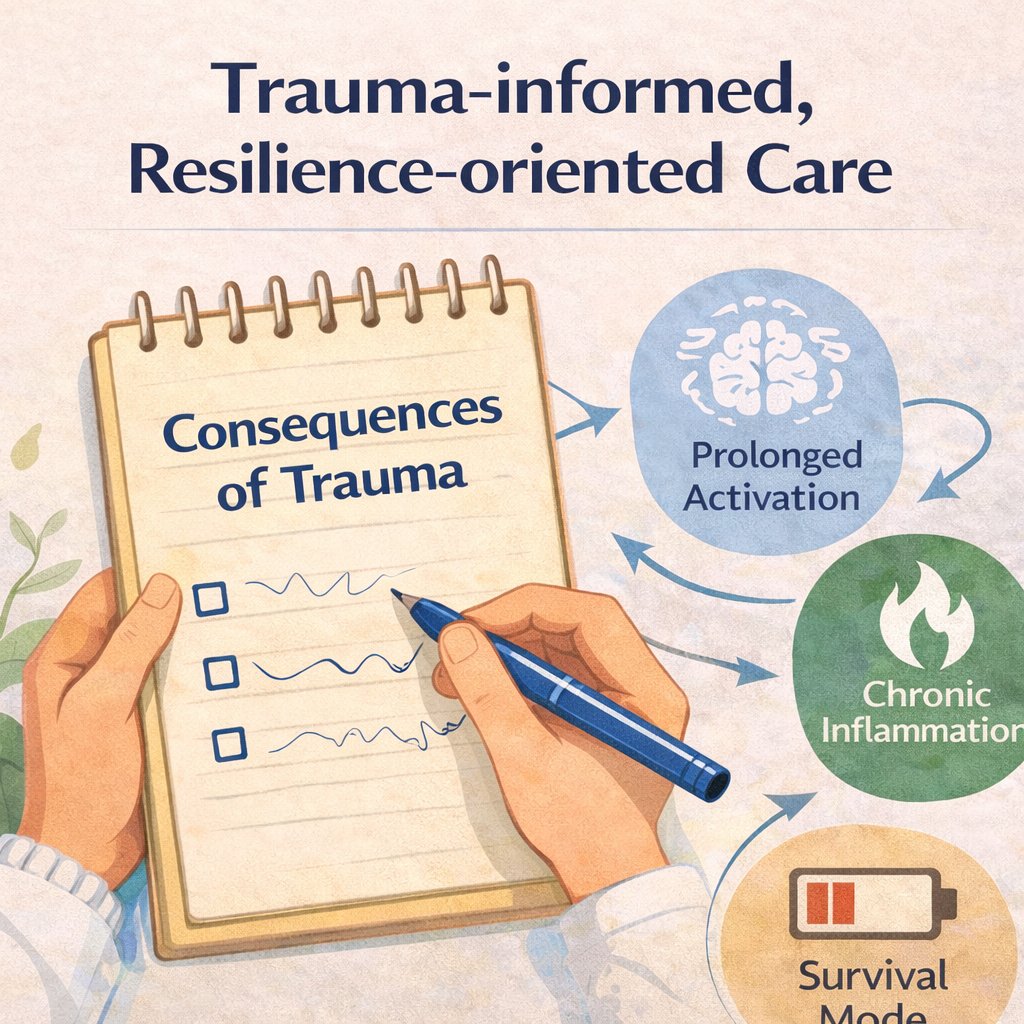
The training explained how trauma affects the whole body, focusing on consequences like prolonged activation of the sympathetic nervous system, increased cortisol levels, chronic inflammation, and a persistent feeling of being in "survival mode", causing an inability to effectively learn, process, and respond to new information and events. The presenter clarified how trauma-informed care can accommodate these realities and help patients' bodies shift toward a state of recovery and healing.
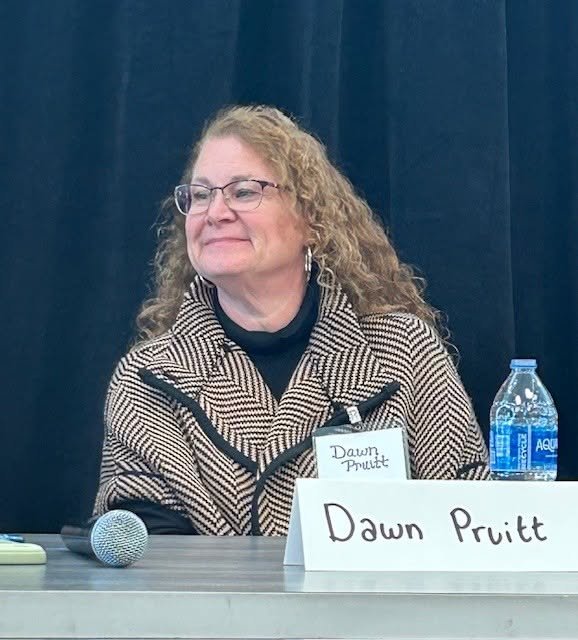
April Training: NatCon 2026
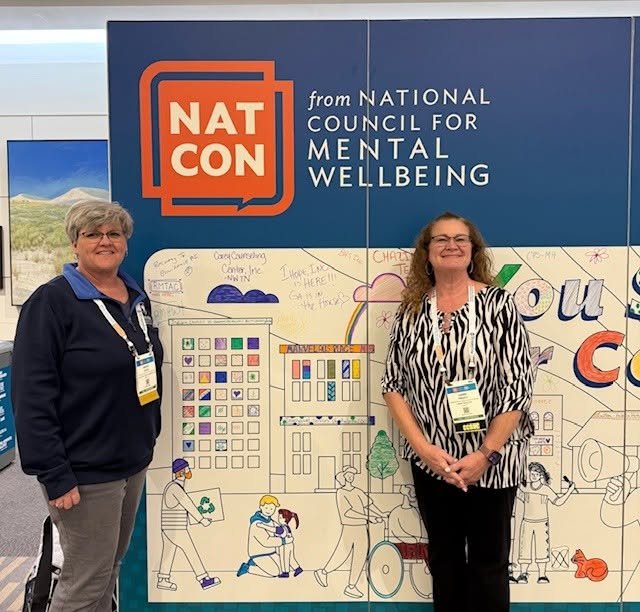
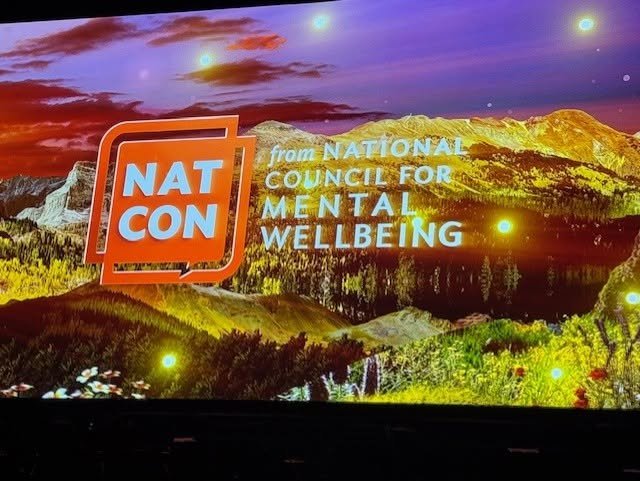
From September 25th–29th, Dawn and Krista attended the National Council’s annual NatCon conference in Denver, Colorado. This year's conference focused on behavioral health, collaborative care, and increasing trauma-informed, resilience-oriented communities. The conference proper ran from the 27th–29th, while Dawn and Krista attended pre-conference training sessions related to the Behavioral Health Training Institute on the 25th and 26th.
On April 25th, trainings focused on increasing trauma-informed, resilience-oriented care from supervision sessions to building community partnerships to holding team meetings. Collaborative activities were completed with team partners to practice their skills. Work sessions were held on behavioral health workforce development.
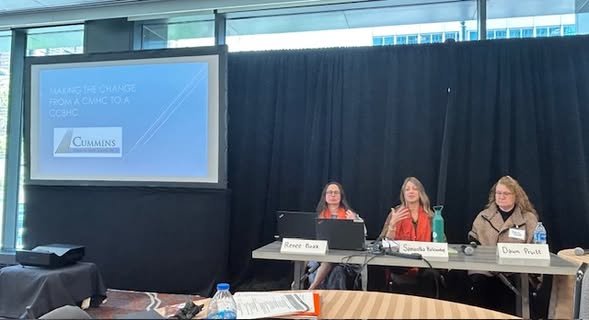
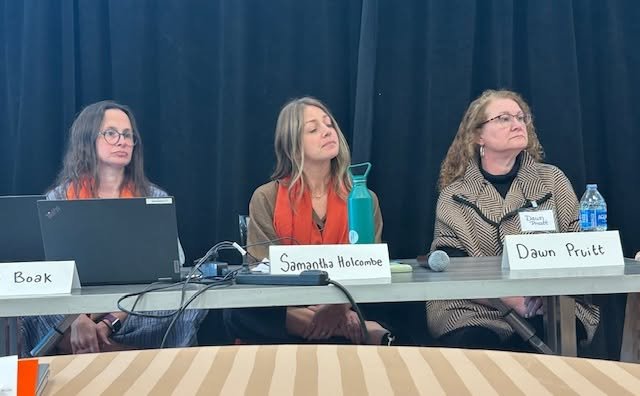
On April 26th, Dawn joined National Council members Renee Boak, MPH, Senior Advisor, and Samantha Holcombe, MPH, Senior Director, in training public health officials on the Certified Community Behavioral Health Clinic (CCBHC) model. This was a generalized training giving an overview of CCBHC criteria, which states are Demonstration states, and an open panel discussion. Dawn shared a presentation on Cummins’ transition in Hendricks County from a Community Mental Health Center to a CCBHC, including some of the biggest changes, grant funding and requirements, data reporting, the SAMHSA attestation process, CCBHC achievements, challenges and opportunities, and next steps.
Additional sessions on the 26th focused on how to build cross-collaborative partnerships across community health organizations, increasing the use of peers and those with lived experience in SUD treatment pathways, and behavioral health policies and how to best communicate with legislators.
From the 27th–29th, Dawn attended a variety of sessions during the main conference, focusing in particular on CCBHC and crisis response topics.
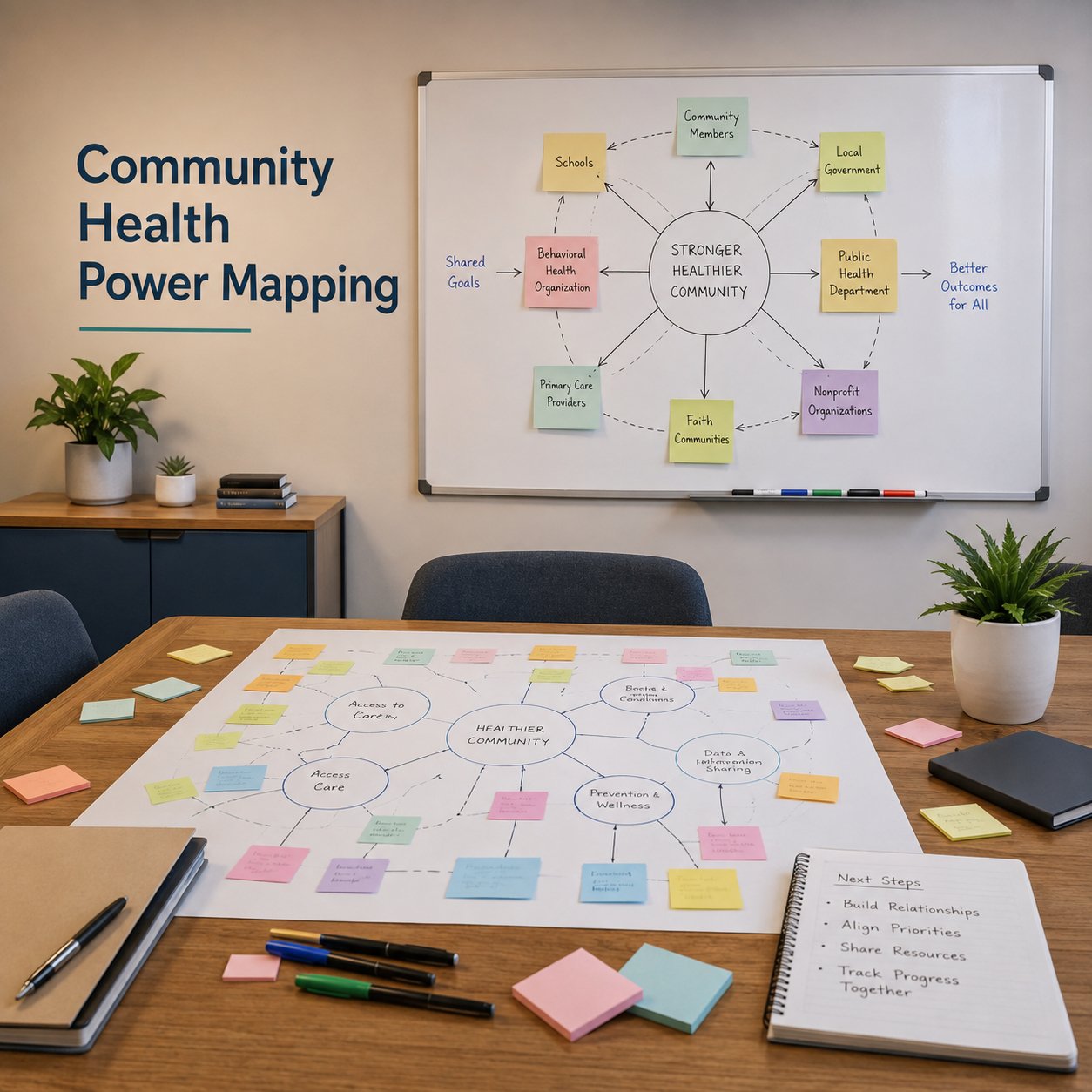
May Training: Conference Recap and Power Mapping
On May 27th, Dawn and Krista attended a training webinar that recapped key takeaways from PreCon and NatCon in April. BHTI cohort members also had an opportunity to share personal action items they had completed since attending NatCon.
Later in the session, attendees broke into virtual meeting rooms to work on Power Maps for improving collaboration between their respective organizations.
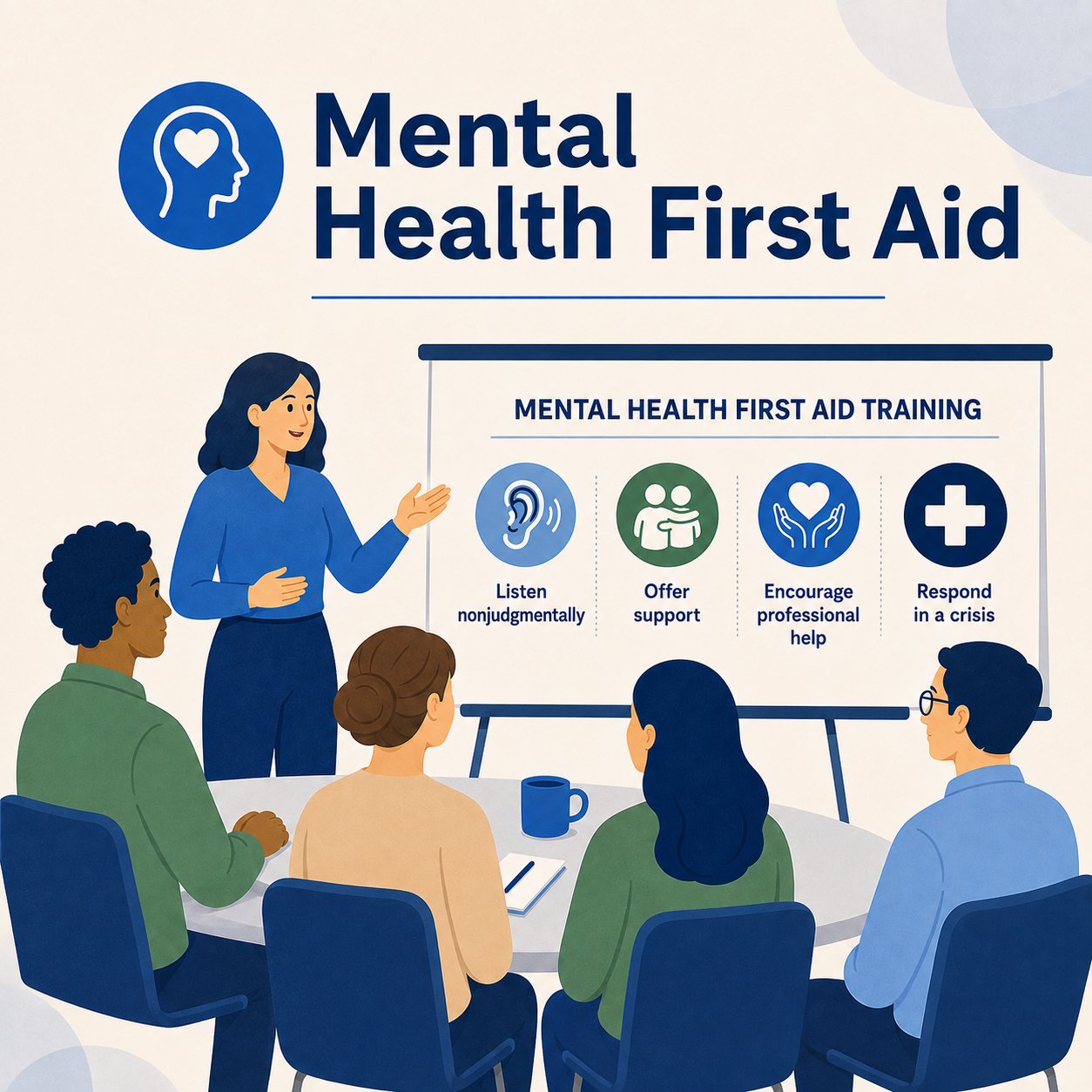
June Training: Mental Health First Aid
June 26th marked the final training sessions for the BHTI 2026 Cohort. This included a half-day of training on Mental Health First Aid at Work.
Prior to this training, each participant had to complete the pre-work training manual with online sessions, journal work, and quizzes on each session.
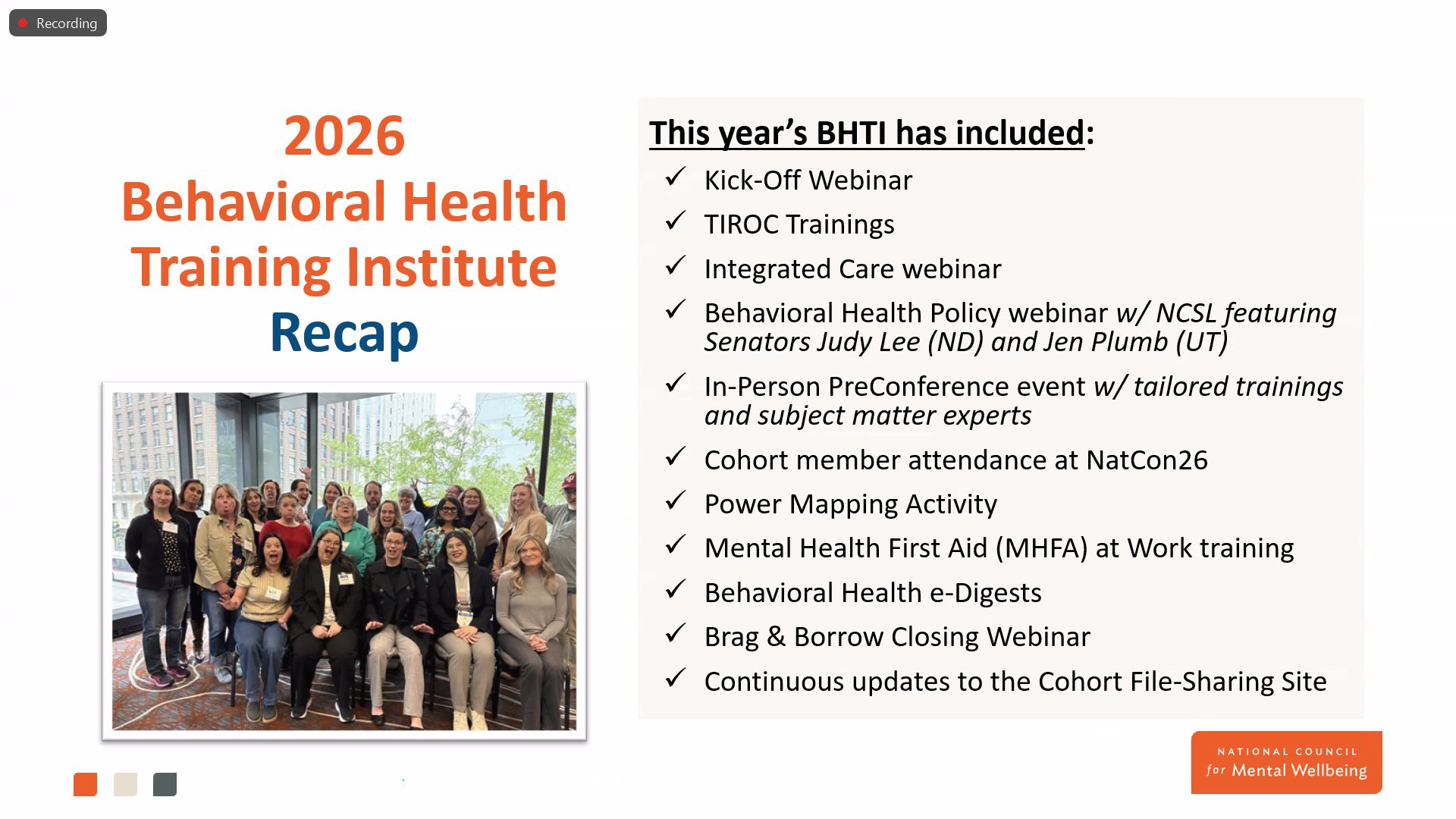
July: Graduation
On July 22nd, the BHTI 2026 Cohort gathered for the final time for the Cohort Graduation. In this virtual meeting, participants officially completed the program and shared a final recap of everything they had learned over the previous months.
Cummins’ Dawn Pruitt had this to say about her experience in the program:
“I am very grateful to have been selected to participate in the BHTI Cohort program. It was a well-organized training program that also provided an opportunity to strengthen the collaboration between Cummins and the Hendricks County Health Department. Each of the training components included ways that Cummins can improve and enhance services to those in our community.”